
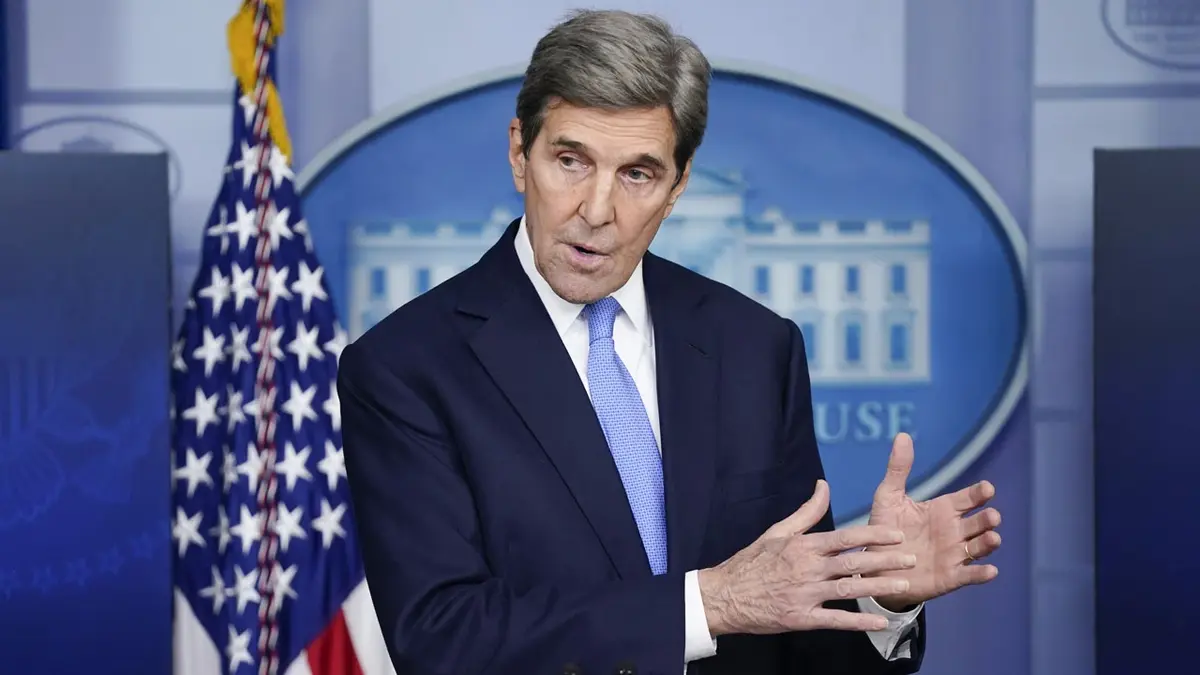
Republicans For Kerry – John Forbes Kerry was born on December 11, 1943, in Aurora, Colorado, United States. He comes from a family with a long tradition of public service and diplomacy. His father, Richard Kerry, served as a U.S. diplomat, while his mother, Rosemary Forbes Kerry, was a member of the prominent Forbes family. This background exposed Kerry to international affairs and political discussions from an early age.
Kerry spent part of his childhood abroad due to his father’s diplomatic assignments, attending school in Europe before returning to the United States. He later enrolled at Yale University, where he graduated in 1966 with a degree in political science.
Military Service and the Vietnam War
Following his graduation from Yale, John Kerry joined the United States Navy during the Vietnam War. He served as a Swift Boat officer, a role that involved dangerous river patrol missions. During his service, Kerry was awarded several military honors, including the Silver Star, Bronze Star, and three Purple Hearts.
His experiences in Vietnam would later play a significant role in shaping his views on war, diplomacy, and foreign policy. After returning home, Kerry became a vocal critic of the war, emphasizing the human costs of prolonged military conflict.
John Forbes Kerry Political Career and Public Service
John Kerry’s political career began in earnest in the 1970s. After working as an assistant district attorney in Massachusetts, he was elected Lieutenant Governor of Massachusetts in 1982. Two years later, he won a seat in the United States Senate, where he would serve from 1985 to 2013.
As a U.S. Senator, Kerry focused on foreign relations, environmental protection, and national security. He gained recognition for his work on arms control, counterterrorism, and climate-related legislation. Kerry also chaired the Senate Foreign Relations Committee, further solidifying his role as a leading voice on international affairs.
2004 Presidential Campaign John Forbes Kerry
In 2004, John Kerry became the Democratic Party’s nominee for President of the United States. Running against incumbent President George W. Bush, Kerry centered his campaign on issues such as national security, healthcare, and the Iraq War. Although he won the popular vote in several key states, Kerry ultimately lost the election.
Despite the defeat, the campaign elevated Kerry’s profile on the global stage and reinforced his image as an experienced foreign policy leader.
Secretary of State and Diplomatic Leadership
In 2013, Kerry was appointed United States Secretary of State under President Barack Obama. During his tenure, he played a central role in major diplomatic efforts, including negotiations related to Iran’s nuclear program, climate change agreements, and Middle East peace initiatives.
Kerry was a key figure in the development of the Paris Agreement on climate change, advocating for international cooperation to address global environmental challenges. His time as Secretary of State further established him as one of the most prominent American diplomats of his generation.
Climate Advocacy and Later Roles
After leaving office in 2017, John Kerry continued his involvement in global policy discussions, particularly in the area of climate change. In 2021, he was appointed U.S. Special Presidential Envoy for Climate, a role focused on international climate diplomacy.
In this position, Kerry worked with world leaders to promote emissions reductions and strengthen global commitments to environmental sustainability.
Personal Life John Forbes Kerry
John Kerry married Teresa Heinz Kerry, a businesswoman and philanthropist, in 1995. He has two daughters from a previous marriage. Beyond politics, Kerry is known for his interest in sailing, literature, and international culture.
Legacy and Public Impact John Forbes Kerry
John Forbes Kerry is widely regarded as a significant figure in modern American public life. His career spans military service, legislative leadership, diplomatic negotiations, and environmental advocacy. While opinions about his policies vary, his influence on U.S. foreign policy and global climate discussions is undeniable.
His biography reflects a lifetime dedicated to public service, international engagement, and the pursuit of diplomatic solutions to complex global challenges.
Leave a Reply